

MWD Tools vs Gyro Tools – What’s the Difference?
In directional drilling operations, accurate wellbore positioning is critical. Two commonly used technologies for wellbore surveying are MWD (Measurement While Drilling) tools and Gyro survey tools. While both serve the purpose of measuring well trajectory, they operate differently and are used in different scenarios.
Let’s break it down:
🔧 1. MWD Tools (Measurement While Drilling)
MWD tools provide real-time data during drilling operations. They are typically integrated into the bottom hole assembly (BHA) and transmit data to the surface using mud pulse or electromagnetic signals.
Key advantages: • Real-time inclination and azimuth data • Improves drilling efficiency and decision-making • Essential for directional and horizontal drilling • Reduces non-productive time (NPT)
Limitations: • Accuracy can be affected by magnetic interference • Requires continuous circulation (mud flow)
🧭 2. Gyro Survey Tools
Gyro tools use inertial navigation systems and do not rely on the Earth’s magnetic field. They are often used in environments where magnetic interference is a concern.
Key advantages: • High accuracy in complex environments • Not affected by magnetic interference • Suitable for cased holes and collision avoidance
Limitations: • Typically not real-time (depends on tool type) • Higher operational cost • Slower compared to MWD in active drilling
⚖️ MWD vs Gyro – When to Use What?
• Use MWD tools for real-time directional control during drilling • Use Gyro tools for high-precision surveys, especially in: – Urban drilling areas – Cased holes – Relief wells or collision avoidance scenarios
In many projects, these tools are complementary rather than competitive.
💡 Final Thoughts
Choosing between MWD and Gyro tools depends on your well conditions, accuracy requirements, and operational priorities. A proper combination of both technologies can significantly improve drilling performance and safety.
📩 If you are working on directional drilling projects and looking for reliable MWD, Gyro, or other downhole tools, feel free to connect or reach out — happy to discuss your requirements.
MWD Tools vs Gyro Tools – What’s the Difference?
In directional drilling operations, accurate wellbore positioning is critical. Two commonly used technologies for wellbore surveying are MWD (Measurement While Drilling) tools and Gyro survey tools. While both serve the purpose of measuring well trajectory, they operate differently and are used in different scenarios.
Let’s break it down:
🔧 1. MWD Tools (Measurement While Drilling)
MWD tools provide real-time data during drilling operations. They are typically integrated into the bottom hole assembly (BHA) and transmit data to the surface using mud pulse or electromagnetic signals.
Key advantages: • Real-time inclination and azimuth data • Improves drilling efficiency and decision-making • Essential for directional and horizontal drilling • Reduces non-productive time (NPT)
Limitations: • Accuracy can be affected by magnetic interference • Requires continuous circulation (mud flow)
🧭 2. Gyro Survey Tools
Gyro tools use inertial navigation systems and do not rely on the Earth’s magnetic field. They are often used in environments where magnetic interference is a concern.
Key advantages: • High accuracy in complex environments • Not affected by magnetic interference • Suitable for cased holes and collision avoidance
Limitations: • Typically not real-time (depends on tool type) • Higher operational cost • Slower compared to MWD in active drilling
⚖️ MWD vs Gyro – When to Use What?
• Use MWD tools for real-time directional control during drilling • Use Gyro tools for high-precision surveys, especially in: – Urban drilling areas – Cased holes – Relief wells or collision avoidance scenarios
In many projects, these tools are complementary rather than competitive.
💡 Final Thoughts
Choosing between MWD and Gyro tools depends on your well conditions, accuracy requirements, and operational priorities. A proper combination of both technologies can significantly improve drilling performance and safety.
📩 If you are working on directional drilling projects and looking for reliable MWD, Gyro, or other downhole tools, feel free to connect or reach out — happy to discuss your requirements.
MWD Tools vs Gyro Tools – What’s the Difference?
In directional drilling operations, accurate wellbore positioning is critical. Two commonly used technologies for wellbore surveying are MWD (Measurement While Drilling) tools and Gyro survey tools. While both serve the purpose of measuring well trajectory, they operate differently and are used in different scenarios.
Let’s break it down:
🔧 1. MWD Tools (Measurement While Drilling)
MWD tools provide real-time data during drilling operations. They are typically integrated into the bottom hole assembly (BHA) and transmit data to the surface using mud pulse or electromagnetic signals.
Key advantages: • Real-time inclination and azimuth data • Improves drilling efficiency and decision-making • Essential for directional and horizontal drilling • Reduces non-productive time (NPT)
Limitations: • Accuracy can be affected by magnetic interference • Requires continuous circulation (mud flow)
🧭 2. Gyro Survey Tools
Gyro tools use inertial navigation systems and do not rely on the Earth’s magnetic field. They are often used in environments where magnetic interference is a concern.
Key advantages: • High accuracy in complex environments • Not affected by magnetic interference • Suitable for cased holes and collision avoidance
Limitations: • Typically not real-time (depends on tool type) • Higher operational cost • Slower compared to MWD in active drilling
⚖️ MWD vs Gyro – When to Use What?
• Use MWD tools for real-time directional control during drilling • Use Gyro tools for high-precision surveys, especially in: – Urban drilling areas – Cased holes – Relief wells or collision avoidance scenarios
In many projects, these tools are complementary rather than competitive.
💡 Final Thoughts
Choosing between MWD and Gyro tools depends on your well conditions, accuracy requirements, and operational priorities. A proper combination of both technologies can significantly improve drilling performance and safety.
📩 If you are working on directional drilling projects and looking for reliable MWD, Gyro, or other downhole tools, feel free to connect or reach out — happy to discuss your requirements.
MWD Tools vs Gyro Tools – What’s the Difference?
In directional drilling operations, accurate wellbore positioning is critical. Two commonly used technologies for wellbore surveying are MWD (Measurement While Drilling) tools and Gyro survey tools. While both serve the purpose of measuring well trajectory, they operate differently and are used in different scenarios.
Let’s break it down:
🔧 1. MWD Tools (Measurement While Drilling)
MWD tools provide real-time data during drilling operations. They are typically integrated into the bottom hole assembly (BHA) and transmit data to the surface using mud pulse or electromagnetic signals.
Key advantages: • Real-time inclination and azimuth data • Improves drilling efficiency and decision-making • Essential for directional and horizontal drilling • Reduces non-productive time (NPT)
Limitations: • Accuracy can be affected by magnetic interference • Requires continuous circulation (mud flow)
🧭 2. Gyro Survey Tools
Gyro tools use inertial navigation systems and do not rely on the Earth’s magnetic field. They are often used in environments where magnetic interference is a concern.
Key advantages: • High accuracy in complex environments • Not affected by magnetic interference • Suitable for cased holes and collision avoidance
Limitations: • Typically not real-time (depends on tool type) • Higher operational cost • Slower compared to MWD in active drilling
⚖️ MWD vs Gyro – When to Use What?
• Use MWD tools for real-time directional control during drilling • Use Gyro tools for high-precision surveys, especially in: – Urban drilling areas – Cased holes – Relief wells or collision avoidance scenarios
In many projects, these tools are complementary rather than competitive.
💡 Final Thoughts
Choosing between MWD and Gyro tools depends on your well conditions, accuracy requirements, and operational priorities. A proper combination of both technologies can significantly improve drilling performance and safety.
📩 If you are working on directional drilling projects and looking for reliable MWD, Gyro, or other downhole tools, feel free to connect or reach out — happy to discuss your requirements.
MWD Tools vs Gyro Tools – What’s the Difference?
In directional drilling operations, accurate wellbore positioning is critical. Two commonly used technologies for wellbore surveying are MWD (Measurement While Drilling) tools and Gyro survey tools. While both serve the purpose of measuring well trajectory, they operate differently and are used in different scenarios.
Let’s break it down:
🔧 1. MWD Tools (Measurement While Drilling)
MWD tools provide real-time data during drilling operations. They are typically integrated into the bottom hole assembly (BHA) and transmit data to the surface using mud pulse or electromagnetic signals.
Key advantages: • Real-time inclination and azimuth data • Improves drilling efficiency and decision-making • Essential for directional and horizontal drilling • Reduces non-productive time (NPT)
Limitations: • Accuracy can be affected by magnetic interference • Requires continuous circulation (mud flow)
🧭 2. Gyro Survey Tools
Gyro tools use inertial navigation systems and do not rely on the Earth’s magnetic field. They are often used in environments where magnetic interference is a concern.
Key advantages: • High accuracy in complex environments • Not affected by magnetic interference • Suitable for cased holes and collision avoidance
Limitations: • Typically not real-time (depends on tool type) • Higher operational cost • Slower compared to MWD in active drilling
⚖️ MWD vs Gyro – When to Use What?
• Use MWD tools for real-time directional control during drilling • Use Gyro tools for high-precision surveys, especially in: – Urban drilling areas – Cased holes – Relief wells or collision avoidance scenarios
In many projects, these tools are complementary rather than competitive.
💡 Final Thoughts
Choosing between MWD and Gyro tools depends on your well conditions, accuracy requirements, and operational priorities. A proper combination of both technologies can significantly improve drilling performance and safety.
📩 If you are working on directional drilling projects and looking for reliable MWD, Gyro, or other downhole tools, feel free to connect or reach out — happy to discuss your requirements.
MWD Tools vs Gyro Tools – What’s the Difference?
In directional drilling operations, accurate wellbore positioning is critical. Two commonly used technologies for wellbore surveying are MWD (Measurement While Drilling) tools and Gyro survey tools. While both serve the purpose of measuring well trajectory, they operate differently and are used in different scenarios.
Let’s break it down:
🔧 1. MWD Tools (Measurement While Drilling)
MWD tools provide real-time data during drilling operations. They are typically integrated into the bottom hole assembly (BHA) and transmit data to the surface using mud pulse or electromagnetic signals.
Key advantages: • Real-time inclination and azimuth data • Improves drilling efficiency and decision-making • Essential for directional and horizontal drilling • Reduces non-productive time (NPT)
Limitations: • Accuracy can be affected by magnetic interference • Requires continuous circulation (mud flow)
🧭 2. Gyro Survey Tools
Gyro tools use inertial navigation systems and do not rely on the Earth’s magnetic field. They are often used in environments where magnetic interference is a concern.
Key advantages: • High accuracy in complex environments • Not affected by magnetic interference • Suitable for cased holes and collision avoidance
Limitations: • Typically not real-time (depends on tool type) • Higher operational cost • Slower compared to MWD in active drilling
⚖️ MWD vs Gyro – When to Use What?
• Use MWD tools for real-time directional control during drilling • Use Gyro tools for high-precision surveys, especially in: – Urban drilling areas – Cased holes – Relief wells or collision avoidance scenarios
In many projects, these tools are complementary rather than competitive.
💡 Final Thoughts
Choosing between MWD and Gyro tools depends on your well conditions, accuracy requirements, and operational priorities. A proper combination of both technologies can significantly improve drilling performance and safety.
📩 If you are working on directional drilling projects and looking for reliable MWD, Gyro, or other downhole tools, feel free to connect or reach out — happy to discuss your requirements.
KTK Energy – Engineering-Driven Drilling Tools Supplier & Manufacturer

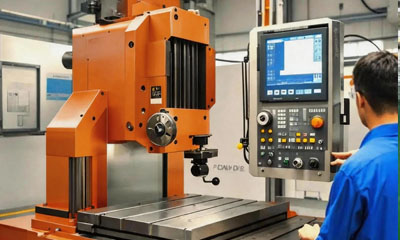
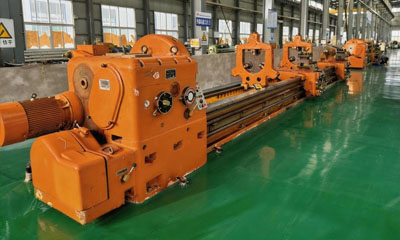
Research & Development Excellence – KTK Energy
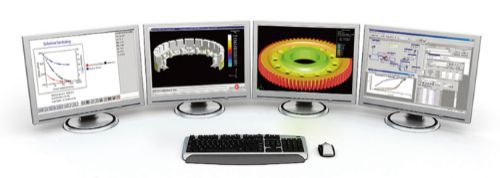
At KTK Energy, research and development is the foundation of our ability to deliver reliable, API-compliant oilfield equipment for global drilling operations.Since establishment, KTK Energy has invested over USD 12 million in R&D, with an average annual investment of 6% of total revenue, ensuring continuous innovation and long-term technical advancement. Our R&D strategy is focused on one core objective: delivering consistent, field-proven performance under real drilling conditions.